How Property Clearances in Vienna Support Urban Gardening and Sustainable Land Use
More than half of Vienna’s city area consists of green spaces, parks, forests, agricultural land, and recreational areas, making it one of Europe’s greenest capitals. As sustainability becomes a greater priority in urban development, attention is increasingly turning toward neglected properties, inherited homes, and unused lots that could be transformed into productive green spaces. Situations involving Eviction in Vienna (Räumung Wien), estate settlements, abandoned buildings, and long-vacant properties often leave behind significant amounts of unwanted belongings and waste. Clearing these spaces efficiently can play an important role in preparing land for environmentally responsible reuse.
Across Vienna, urban planners, environmental organizations, and community groups continue exploring ways to make better use of limited urban land. While many underutilized properties occupy valuable space, transforming them into gardens, community projects, or redevelopment sites often begins with one essential step: property clearance.
The Challenge of Underutilized Urban Spaces
Many cities face growing pressure to balance housing needs, environmental goals, and land availability. Vienna is no exception. Vacant homes, inherited properties left unattended for years, and abandoned commercial buildings can gradually become storage sites for unwanted furniture, construction debris, household waste, and damaged materials.
Research from Eurostat shows that waste management and land efficiency remain important priorities across European cities as governments work toward circular economy objectives. When neglected properties remain unused for extended periods, they can contribute to visual deterioration, attract illegal dumping, and delay potential redevelopment opportunities.
Experts note that many property owners face practical challenges when dealing with inherited estates or long-abandoned buildings. Sorting, transporting, recycling, and disposing of large quantities of accumulated items can require substantial time and resources.
Without proper intervention, potentially useful land may remain inaccessible for years.
Why Property Clearance Matters Before Redevelopment
Before any urban gardening initiative, green space project, or construction plan can begin, the site must first be assessed and cleared.
Property clearance services help remove unwanted materials, identify recyclable items, and prepare sites for future use. This process often includes:
- Removing furniture and household contents
- Clearing construction waste
- Sorting recyclable materials
- Disposing of hazardous items responsibly
- Preparing buildings for renovation or demolition
- Restoring access to neglected outdoor areas
Data from the European Environment Agency indicates that effective waste management contributes significantly to environmental protection efforts by reducing landfill dependence and encouraging material recovery.
When clearance activities prioritize recycling and responsible disposal, fewer materials enter waste streams unnecessarily. This creates opportunities for more sustainable redevelopment outcomes.
Growing Interest in Urban Gardening in Vienna
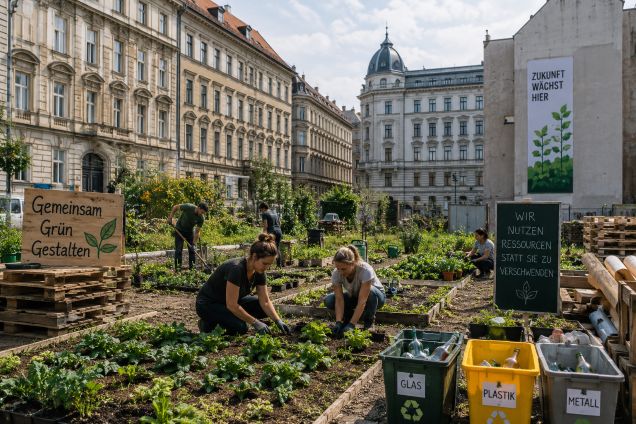
Urban gardening has gained popularity across many European cities, including Vienna. Community gardens, neighborhood growing projects, and small-scale agricultural initiatives are increasingly viewed as valuable tools for improving urban environments.
Information from the City of Vienna highlights ongoing support for green infrastructure, biodiversity enhancement, and sustainable urban development. Community gardens have become important spaces where residents grow vegetables, herbs, and flowers while strengthening social connections.
These projects offer several benefits:
- Improved biodiversity
- Increased green coverage
- Reduced urban heat effects
- Enhanced community engagement
- Local food production opportunities
- Educational programs focused on sustainability
However, establishing such spaces often requires access to suitable land. Vacant lots and cleared properties can provide valuable opportunities for these initiatives when properly prepared.
Transforming Neglected Properties into Green Assets
The journey from abandoned property to productive green space rarely happens overnight. Many sites require extensive cleanup before they become safe and usable.
Old buildings may contain broken furniture, discarded appliances, damaged fixtures, and years of accumulated clutter. Outdoor areas can become overgrown or contaminated with improperly stored materials.
Professional clearance teams help address these issues systematically. Once waste is removed and the site is stabilized, planners and community organizations can evaluate future possibilities.
In some cases, former residential lots become community gardens. In others, cleared land may support pocket parks, biodiversity corridors, or environmentally conscious redevelopment projects.
Research published by the United Nations Environment Programme emphasizes that sustainable land management practices help cities improve resilience, enhance environmental quality, and support long-term climate adaptation goals.
The Role of Recycling in Sustainable Property Clearance
One of the most important aspects of modern clearance work is material recovery.
Many items removed from properties can be reused, donated, refurbished, or recycled. Wood, metal, glass, electronics, and certain construction materials often have value beyond their original use.
The European Commission continues promoting circular economy principles that encourage extending material lifecycles and reducing waste generation. Property clearances aligned with these objectives contribute to broader sustainability efforts.
Instead of sending everything directly to landfill facilities, responsible sorting processes help recover useful resources and reduce environmental impact.
This approach supports both ecological goals and resource efficiency.
Supporting Vienna’s Green Urban Planning Goals
Vienna has earned international recognition for its commitment to sustainability and quality of life. Environmental planning initiatives frequently emphasize green infrastructure, public parks, climate adaptation measures, and efficient land use.
Reports from the Organisation for Economic Co-operation and Development (OECD) have highlighted Vienna’s ongoing efforts to integrate environmental considerations into urban development strategies.
Property clearances contribute indirectly to these goals by making dormant spaces available for productive use.
When neglected properties are restored, communities gain additional flexibility in deciding how land can best serve local needs. Some sites may support affordable housing projects, while others become recreational areas, gardens, or mixed-use developments that incorporate green features.
The ability to reuse existing urban land can reduce pressure on undeveloped areas outside city boundaries, supporting more sustainable growth patterns.
Creating Opportunities for Community Participation
Urban gardening projects often depend on community involvement.
Residents, schools, nonprofit organizations, and neighborhood groups frequently participate in planning and maintaining shared green spaces. Transforming a formerly neglected property into a productive community asset can strengthen local engagement while improving the surrounding environment.
Property cleanup serves as the first practical step in this process. Once safety concerns and waste issues are addressed, stakeholders can focus on long-term planning and environmental improvements.
Community participation becomes easier when spaces are accessible, safe, and visually appealing.
RELATED READ: How Residential Property Clearance in Vienna Supports Farming and the Environment?
Looking Ahead
As Vienna continues pursuing sustainability goals, the reuse of neglected properties will likely remain an important part of urban planning discussions. Vacant buildings, inherited homes, and underused lots represent both a challenge and an opportunity.
Without intervention, these properties can contribute to waste accumulation and inefficient land use. With responsible clearance, recycling, and redevelopment efforts, they can support urban gardens, community green spaces, and environmentally conscious projects.
Professional property clearing, estate cleanouts, and site preparation services play a practical role in this transformation. By helping remove barriers to redevelopment, they create pathways for greener neighborhoods, more efficient land use, and stronger community participation.
As cities seek sustainable solutions for future growth, preparing underutilized spaces for productive reuse remains an important step toward building healthier and more resilient urban environments.