How Pollinator Gardens Can Transform Small-Scale Agriculture
No agriculture can be successful without the presence of pollinators. The truth is that there have been declines in the number of pollinators as a result of the destruction of their habitat and insecticides. This problem was solved by the creation of gardens within farms to attract bees, butterflies, and other useful insects.
Flower Borders: Ensuring Better Crops
Therefore, it is for this reason that farmers cultivate flowers around the crops as they guarantee that the pollinating insects will stay in their immediate environment throughout the year. This is because the flowers provide nectar for the pollinating insects, who pollinate the crops.
Less Pesticide Use for the Benefit of Insect Population
Pesticides are among the greatest challenges posed to the insect populations of the world, such as the bees and butterflies, when producing agricultural products. This explains why many farmers today have resorted to employing methods of pest control that do not interfere with the insects.
Backyard Farms Becoming Biodiversity Centers
Small farms and backyard spaces in today’s world are considered important sources of efforts related to maintaining biodiversity and environment conservation activities. Pollinator gardens allow for birdlife, butterflies, bees, and other creatures which help increase biodiversity levels in such places.
Development of Eco-Tourism Around Environmentally Sustainable Farms
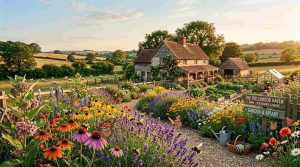
There has been increased attraction among people to visit environmentally sustainable and aesthetically pleasing farms. Pollinator gardens would aid in creating awareness regarding environmentally sustainable and organic farming methods. Moreover, pollinator gardens could also earn farmers some extra money besides their farm produce.
End Notes
The planting of pollinator gardens is aiding in changing the dynamics that exist between agriculture and conservation. Pollinators play an important role in enhancing farm productivity; by promoting their presence on farms, the productivity of farms will be enhanced while at the same time protecting their habitat. In addition, sustainable farming techniques have led to increased interest in biodiversity conservation within the community.