Homestead Gardening: Sustainable Growing of Food at Home
There has been a comeback of homestead gardening with the increased interest of people to have self-sustaining and sustainable ways of living. People are returning to the tradition of growing their own food in rural home farms and in suburban backyards. This movement is not merely the one of saving money but also the one of returning to nature and realizing where food originates.
Home gardening is being added as a significant source of sustainable living as more people become aware of the environment.
Big Environmental Impact with Small Gardens
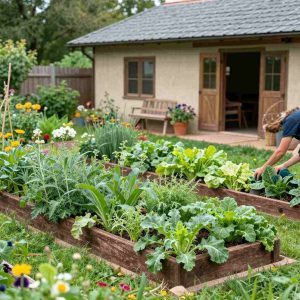
Home gardens can create a significant impact on the environment even in small home gardens. Planting vegetables and herbs in the garden minimizes the transportation of food over a long distance. This assists in the reduction of carbon footprint linked with the contemporary food supply chain. Moreover, smaller farms employed less chemicals than large-scale farming.
Conserving Knowledge about Traditional Farming
Homestead gardening is also used in conservation of traditional agricultural knowledge that has been transmitted to the generations. Saving seeds, crop rotation, planting schedules are some of the skills useful in sustainable farming. These methods enable gardeners to have variety in the crops and to be able to adapt to the local conditions. Preservation of these traditions by homestead gardeners adds to agricultural heritage.
Creating Community by Producing Local Food
Home gardening usually contributes to bonding in society. Neighbors exchange seeds, produce and encourage local farmers markets. The interactions facilitate community collaboration and advertisement of local food systems. Well-developed local food networks will enhance food security and diminish the impact of large-scale industrial production of food.
Conclusion
The recent popularity of home gardens can be seen as a general tendency towards environmentally friendly and sustainable living. Local food production will enable individuals to experience fresh and healthy harvests and cut the environmental impact. Conserving the rich agricultural knowledge is also achieved through traditional gardening practices. Small-scale food production can be more significant to creating resilient communities as more individuals adopt home gardening.