Regenerative Farming: Natural Way of Soil Health Restoration
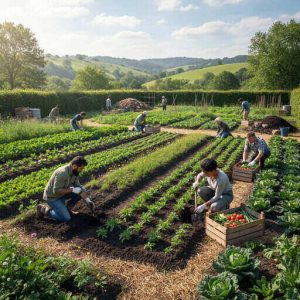
The problem of modern agriculture is that the agricultural production in the world has grown. Productive farming is based on healthy soil. Regenerative farming is concerned with the rebuilding of soil using natural methods like composting, crop rotation and tillage reduction. These activities enhance the structure of the soil besides raising the capacity of the soil to retain water and nutrients. In the long run, having healthier soil enhances healthier crops and the agricultural system becomes stronger.
Environmental Advantages Outside the Farm
Regenerative farming has more than just the advantages of individual farms. Healthy soil is able to store and capture carbon and this assists in minimizing greenhouse gases in the air. It is also better soil structure that reduces water runoff and prevents waterways around it. Such environmental advantages will add to the sustainability targets of agriculture communities.
Conclusion
The practices do not only benefit the land, but they also sustain long-term livelihoods of farming. Regenerative farming is a potential resilience-enhancing approach that can be used to develop resilient and environmentally friendly farms as awareness increases.