Latest Posts
Farmers as Your Partner in Saving the Environment

The new agricultural agenda represents a squandered chance. According to Joey Hodde, all green efforts have been expertly nipped in the bud thanks to a strong lobby.
The Popular Agricultural Policy (CAP) governs how agricultural subsidies are administered within the EU. This is no small matter, as agriculture receives approximately 60 billion euros per year, representing about a third of the total EU budget. Instead of spending the money in a manner that assists producers in making the transition to a better food system, it will be poured into a system that we all know is unsustainable for the next seven years.
The CAP, on the other hand, is something to be very proud of. With the horrors of the starvation winter in mind, this program was developed in 1962 with the goal of assisting farmers, increasing production, ensuring living wages, and preserving the countryside. As a result, Europe has not endured famine since the Second World War. You’d almost be singing the European national anthem.
Quarter of all greenhouse gases
We can produce more food and set an example for the rest of the world. However, there is a drawback to these advances. Our current food system may be expelling more food than ever before, but it is also depleting the soils, destroying the last bits of nature and biodiversity, and is responsible for about a quarter of all greenhouse gases. If we want to achieve the climate goals and stay below that dangerous limit of one and a half degrees of warming, the agricultural sector must play an important role in this.
Agricultural companies have been incentivized for years by banks and governments to grow as fast as possible and to blast productivity per square meter through the roof at all costs. Subsidies are now distributed on the basis of productivity, which has forced farmers to scale up, expand, and spray the fields with fertilizers and pesticides. The farmers cannot be blamed for that, but we must learn from this for the future.
In other countries, they have a rich tradition of structuring our agricultural policy almost entirely on the basis of crisis management. For years, the VVD and the CDA, for example, did not want to face the nitrogen problem, and when a critical limit was reached, the farmers were the victims. If we had developed a plan for the future together with the farmers 10 years ago and had released some pots, we could have prevented the crisis completely.
Nipped in the bud
The same thing threatens to happen with the CAP. Powerful interest groups for industrial agriculture, fertilizer and poison producers, in collaboration with the conservative Christian Democrats, have skilfully nipped all measures for sustainability in the bud. With natural carbon storage in the soil, non-toxic agriculture and biodiverse field margins, farmers can be an important partner in the fight against climate change and loss of biodiversity. Instead of using that power, the CAP simply continues the disastrous line of the past decades.
If we use all the roots to maintain the old systems, there will soon be only sticks left to achieve the climate goals. Some think that is not only stupid, but also a middle finger to the farmers. Let us make farmers allies in the battle against climate change by providing a CAP and ‘ecommerce web design services’ to assist them in taking the following actions.
Things To Know About Septic Systems
 A septic-protected wastewater treatment process is an environmentally friendly option for homeowners and at times the only selection for a cabin or rural houses which are out of their municipal sewage system. Additionally, it suggests that what you wash down the drain is much more significant, and this also includes your cleaners. Keep reading to find out about septic systems and also the way your cleaning products may impact them.
What exactly does it mean to be “Septic Safe”?
If you are raised in a town, you likely have very little understanding of septic systems. To answer all of the questions that you’ve never needed, septic systems are an alternate drainage system for rural houses with no centralized sewer piping. They bring water and waste from a house to a specialized septic tank that uses bacteria to different waste out of water. These tanks utilize perforated pipes that then discharge the water into a patch of dirt referred to as a drain field. The drain field then obviously cleans the water with different layers of stone and lets it come back to the groundwater methods like in Drainfields lakeland.
Septic systems are a closed-loop system that also brings about the efforts of this zero waste movement. Learn ways to shrink your footprint and start a zero waste journey.
Why choose septic systems
The benefit of a septic tank is they are much more economical and durable than sewer pipes. As it’s a closed system that needs no outside energy, it doesn’t create a monthly invoice and can endure for decades without needing replacement.
Environmentally, septic systems produce a favorable contribution to the wellbeing and wellbeing of their ecosystem. After the water has been pushed through the drain field it will help nourish neighborhood bacteria and germs which subsequently stimulates bacteria and plant growth. This nourishment contributes to a source of food for local birds, insects, and larger animals.
As a result of this, if goods that contain toxins have been introduced into those systems, it may have significant repercussions not only for the mechanics of this tank, except for the whole ecosystem. Septic systems aren’t meant to protect groundwater from the compounds found in certain household goods and might pose a substantial threat to human health and the environment. If these goods are introduced into a septic system, then it may kill the germs inside the tank that can prevent water separation, and much worse, can poison the surrounding regions.
When choosing new appliances, then pick those, which are best for septic systems, such as high-efficiency bathrooms or energy star washing machines. The quantity of the laundry detergent that you use in the ones he or she is also significant.
There are lots of organic possibilities for the state, disinfectants, which exist that won’t damage a septic system. For a few of the more powerful natural disinfectants like Hydrogen Peroxide and Thyme Oil, their potency will still need to be diluted with water before being introduced into the machine.
Household products to Prevent
- Water Softeners
- Oil, gas, paint thinners, solvents, photographic chemicals, pest or weed killers
- Cooking Grease
- Bath Oils
- Kitty Litter
- Cleaning goods to Prevent
- Antibacterial cleaners and disinfectants
- Chlorine Bleach
- Chemical Drain Cleaners
Septic safe cleaning products
100% Organic
Remember your septic tank doesn’t filter for toxins or chemicals, and that it goes back into the natural surroundings. That is the reason why it’s very important to utilize natural cleansers that will not add to the rising quantity of artificial compounds negatively impacting our natural surrounds.
Biodegradable
You should only use products that are created out of biodegradable ingredients which can break down in a natural environment, instead of persistent synthetic substances which could build up. Ask questions – would be the cleansing products, such as those used every day, such as dishwasher detergents really non-toxic and completely biodegradable.
The next natural, regular products are safe to wash and disinfect Your House with:
- Distilled white vinegar
- Lemon juice
- Baking soda
- Borax
- Salt
Septic safe bathroom cleansers
It is easy to use organic cleaning goods in many areas of your house, but the 1 area in your house where chemical cleaners are often specified is the toilet. Having a clean toilet is essential for your health, however disinfecting your bathtub, bathtub, along other surfaces does not need harsh chemicals.
TIPS FOR PROTECTING THE ENVIRONMENT

You, too, literally have it in your own hands. Because your commitment to environmental protection not only reduces the throwing away of garbage – the so-called littering – it also actively contributes to the prevention of waste. Before you buy a tech product, visit Unslider for an in depth review of the product.
Avoid garbage where you can
When shopping, you set the course for environmental protection in everyday life. Do not use plastic bags, for example. A shopping basket or a tear-resistant jute bag are perfect alternatives.
If you are craving for a cup of coffee-to-go, take a thermal cup with you. Give up the disposable cups as well and often as possible. In Germany alone, 320,000 cardboard cups with plastic lids are consumed. Not during the month, not during the week or during the day. Every hour! This results in about 3 billion cups a year, which are disposed of directly after only one use! While Corona, of course, this is not allowed – but maybe you take your coffee with you from home for once.
When shopping, the sellers insist that, for example, cheese that is already wrapped in plastic wrap does not have to be wrapped in paper again, only to be packed in a paper bag again. At best, separate the product and packaging directly at the checkout and ask the sellers to dispose of the garbage for you. With every purchase, realize how much garbage you have just bought next to your purchase. Only when retailers are confronted with this more and more will they continue to react and pass on the dissatisfaction that has been brought to it to the manufacturers.
Take your garbage back with you
Actually a matter of course, unfortunately not for far too many. Many public garbage bins are available in the city. If you don’t find one or are overcrowded near you, take the garbage, such as the disposable grill, paper plate or plastic dishes and empty bottles, home and throw it into your own garbage can. That really does a lot of things.
Collect three to four pieces of garbage every day
Although one might think that the numerous places in the city, park, forest and all the beautiful places in your city are visited, because they are so great, we find many sections every day again and again polluted. Since it is not to be expected that this will change quickly, let us lead the way as a good example in terms of environmental protection. We really don’t break our jaws when we tackle ourselves, bend over and collect someone else’s rubbish.
Tell someone you know about environmental protection
What can we do to stop as many as possible from littering and to encourage them to collect trash? It’s so simple: talk to the people you know about it. It doesn’t matter if it’s in the family, friends or at work. Bring the unnecessary garbage into the consciousness and show how easy it is to get your city clean again.
Why Use Power Tools for your Home
The area of power tools can be daunting and somewhat harmful for a new adventurer. There are many distinct tools, so many different versions of each instrument, that doing your own research can be quite difficult to do. This article aims to be a rough guide for anyone interested in woodworking and woodworking tools.
Drills
This sort of instrument delivers a bewildering range of tools all on its own, except for woodworking purposes many of these can be excluded. A lot of drills such as combi drills [ reviews on UK combi drills ] and SDS machines possess hammer action that’s completely unnecessary for woodworking programs, so these can be dismissed. You can of course buy a drill with hammer action if you happen to need it in future, but if you’re on a budget or just considering woodworking then you can find better options available. The ideal instrument for woodworking is a simple drill, possibly a mains powered rotary drill or a cordless drill driver. These tools can be used as both a drill and a screwdriver, as either a drill bit and screwdriver attachment may be utilized and these gears are normally both forwards and inverse operational.
Saws
There are many different types of saw accessible – jigsaws, circular saws, mitre saws, table saws and reciprocating saws. They all have strengths and weaknesses: jigsaws are great for curve cutting, circular saws are great for portability when directly cutting, mitre saws are good for producing mitre/bevel (angle) cuts long pieces of wood, table saws are great for making huge cuts in massive parts of wood, and reciprocating saws (also called sabre saws) are good for demanding cutting of timber and general demolition usage.
Planers
Power hand planers are good for small areas, and planing machines are better for bigger pieces. Planer thicknessers are also available – the thicknesser element works in an identical way to some planer but ensures that a plank is kept at an even thickness from one end to the other. The user makes repeated passes of a workpiece, each time lowering the cutting device by a tiny amount, until the whole surface is flat.
Routers
A router works somewhat like a drill since it leaves holes in wooden surfaces, but it’s a lot more than that. Routers are good for creating holes which do not go all the way through the top layer of the wood, and they can also extend these holes in to long lines. With specific attachments a router can be used to make aesthetic improvements to the edges of surfaces such as desktops and bookcases.
Sanders

All these are key tools for almost any avid woodworker since they’re used to improve the surface of the wood, possibly in preparation for an application such as painting or as part of the last finish.
These are the simple woodworking tools readily available, and the chances are that you will have to have at least two of them for any project that you’re planning. Safety should always be a top priority when working with power tools, thus we also recommend the use of boots, gloves and eyeglasses. Dust extraction also needs to be considered – that may be integrated with tools such as circular saws that produce a lot of dust, otherwise you can purchase specific dust removal accessories from all the top woodworking makers like Festool.
So there’s your basic introduction to the world of woodworking power tools – now get out there and craft something!
Vertical Garden Modern-day Ideas at Home

If you are more on gardening but you do not have enough space in your home, the best solution for this is the vertical garden. Because of modern-day technology, ideas and concepts about vertical gardening come into life. And here are some of the best style of gardening that you should try in decorating your house.
1-Breathe life to the Living Wall
In creating a living wall, make some considerations on the wall integrity. Keep in mind that it has a great effect on design and style of the vertical garden.
2-A Wooden Box into a Green Box
With the use of a wooden box, you can create a beautiful four-cornered gardens inside your house. The wooden box garden idea is ideal for planting succulents and plants with shallow roots. Materials needed are wooden frame, back panel, wire screen, and some dirt.
3-Recycled Bottles as Vertical Garden Containers
The recycled bottles have many advantages and uses. Aside from using it as a recycle bin, you can also make it as a house mini-garden. Cut off the side of the bottles and put on some soils in it. Incorporate some plants and nail it at the sides of the wall. This way you can have your own wall garden inside or outside the wall.
Should you renovate your bathroom?
Bathroom renovation ( renoviranje kupaonice ) ideas depend essentially on how big the toilet and the sum of budget you might have. Bearing this in mind, you can then make a listing of the two inclusions and exceptions for your renovation project. A prime aspect to take into account in your bathroom renovation ideas will be that the men and women that will use the restroom. The age groups of the consumers of this toilet are indispensable in coming up with the overall design of your toilet.

Whenever there are lots of members of their family members and the bathroom and shower is situated in one toilet, it might be sensible to assemble distinct enclosures for these two toilet fittings. This could create privacy whilst devoting simultaneous usage of those facilities.
The design of the toilet needs to be set in minding the various bathroom renovation ideas to reality. It needs to be considered that there are numerous fittings such as sinks, bathrooms, and cabinets which experience enormous wear and tear because of the regular use. You must be certain of having a fantastic paint job so as to have a ventilated toilet complete.
The option of tiles for floors and walls is vital in developing a fantastic demonstration of the restroom. While darker tiles could be suitable for bigger sized baths, the milder tinted tiles are perfect for the smaller spaces in baths. Bear in mind that in smaller toilet configurations, it’s ideal to get the same colored tiles equally to the walls and the flooring.
There are tiles made from marble and ceramic and it’s all up to you to pick your favorite kind of tiles in various layouts and styles. Some technical layouts would involve using specific tiles made from glass or even metal. Watch this…
Bathroom sinks experience continuous flowing of water and so become depreciated together with the passage of time. Altering the sink is also crucial in bathroom renovations.
If your toilet layout use walls with granite end, it might be perfect to match with a sink or bathroom with comparable substances.
Vanity cabinets are set up to maintain your toiletries and other accessories. Ensure the paint finish employed is moisture proof or watertight in order to survive long. As a guideline, these cupboards should be put away from your water resources differently you may use watertight materials for you cupboards like ceramic or glass. Lighting concerns are very important in bathrooms like in any room in the home.
Looking For A Sustainable Home/Property – Work With A Reliable Real Estate Agent
While you can do your own research as well as everything on your own when it comes to purchasing and selling a home or property, the process can be much easier and smoother when you hire a real estate agent, such as Borehamwood & Elstree Estate Agents, to work with. Borehamwood & Elstree Estate Agents listen to and understand the needs of their clients so as to provide them with what they are looking for as well as to serve them better, making the process of buying, selling or even renting a home/property simple and easy.

Working With A Reliable Real Estate Agent
With a reputable and reliable real estate agent like Borehamwood & Elstree Estate Agents, you as a seller, purchaser, or property investor, can very much gain from their expertise as well as the services they have to offer. Here are some:
Save Time and Effort
While the internet can provide you with potential homes to purchase, the process of sifting through all of this can be very time-consuming and taxing. With a professional real estate agent, they understand what you are looking for so they can help you shortlist your options to better match your specifics. This is similar to selling your home. The process is time-consuming and requires effort with all the staging, marketing and paper works that needs to be done.

Access to Multiple Listing Services (MLS) and Professional Network
The MLS is one of the most useful and effective tools for communication in the market of home selling and buying. When you do things on your own, you won’t have access to this powerful tool, but real estate agents do. Furthermore, they too have a professional network of people where it can prove really valuable.
Expertise and Market Know-Hows
Professional real estate agents keep pace with the real estate market as it constantly changes. Every state, city and region has something going on in their real estate markets which can be beyond what is taking place at the national level. With relevant information, reals estate agents can help you avoid potential problems and also get you better prices.
Find A Sustainable Home Or Property
Today, increasingly more people are doing their part in combating global warming and climate change. One way of doing this is to choose a sustainable or green home. A real estate agent who truly understands the features as well as the market value of a sustainable home can help you in this endeavor.
In the real estate industry, many agents train to better understand what a sustainable or green home is in order to help clients identify whether the home you have your eyes on are sustainable or not. Furthermore, they can also assist in assessing if the lot you intend to build has the proper exposure to construct a home that is sustainable. With their connections, they can also recommend appraisers and/or banks who are also are aware and recognize the value of a sustainable home.
Gardening in the Midst of Pandemic: Its Benefits
COVID-19 turn the world upside-down. With just a snap of a fingertip, many businesses shut down. Many lives are trapped inside the four corners of the house without making a living. Aside from that, food and disinfectant supplies shortages are experienced as well.
Looking on the brighter side, COVID-19 also gives rise to some advantages. One of these is the popularity surge of home gardening. Since many people spend their time at home, they take this as an opportunity to make vegetable gardening a home occupation and part of healthy living.

Advantages of Home Gardening during COVID-19
Here are the other benefits of home gardening during this time of pandemic:
1 – Mood enhancer
When you spend most of your time in your garden, there would be an increased sense of calm afterwards. People will also have a positive outlook with some refreshing feeling.
2 – Improve air quality
Plants are the natural source of air. Having them outdoor or indoor purifies the air we breathe in. With that, it helps to reduce our exposure to harsh toxins.
3 – Promote healthy eating
Gardening is a good way of creating a positive food surrounding. Children tend to eat more of it making it a start to healthy living.
Homegrown fruits and veggies taste better.
How To Farm In Pokemon Go
 Stardust is the most valuable asset in Pokémon GO. It enables Pokémon coaches to power-up Pokémon, trade with friends, as well as purify Shadow Pokémon. Stardust is made in-game by grabbing Pokémon, hatching eggs, fighting in raids or GO Battle League, and finishing certain Research Tasks. There are techniques to improve the quantity of Stardust you get as well as the Pokemon Fire Red cheat codes.
The Way to farm Stardust at Pokémon GO.
Charge: NianticMass catching
Catching Pokémon is your very best method to farm Stardust, since regardless of what’s happening in the sport there are constantly Pokémon to be captured. Placing in an Incense will now draw one Pokémon spawn for you personally around each fifty seconds, and also increase the amount of Pokémon trainers grow exponentially. An excellent way to multiply your everyday Stardust while searching Pokémon would be to utilize the Quick Catch method.
The Quick Catch procedure, even though it’s a little tricky to learn at first, cuts down on time spent waiting to determine whether a Pokémon is captured, while throwing a ball in the Pokémon. Basically it exploits a mechanic at the game which prevents the “run off” button from evaporating while grabbing a Pokémon, permitting gamers to run off after the ball has made contact with all the Pokémon. This skips the capture cartoon, cutting over ten minutes from every grab. It might appear minimal, but if you are surrounded by Pokémon, it provides up and permits you to catch much more spawns and much more Stardust.
A Star Piece can help farm Stardust in Pokémon GO.
Charge: NianticStacking Research for bonuses
When finishing Research Tasks which involve meetings with Pokémon, there’s a way to conserve these experiences for a later moment. If you finish a job that rewards a Mankey experience, flee from this Mankey. It will not go away. It will remain in your Research Area from the tab, which may hold dozens and dozens of Pokémon. Maintaining all these Pokémon on your heap can help you maximize during occasions employing a bonus of dual or triple Stardust.
Know when to wear a Star Piece
Star Pieces are things which could be purchased in the games store that numerous Stardust from 1.5, which may pay off considerably during occasions with fostered Stardust. Implementing using a Star Piece, piled Research experiences, and also the Quick Catch procedure during just 1 hour of dual Stardust can make a Pokémon trainer over 100,000 Stardust.
Best Soils For The Environment

Some people say that agriculture is possible without animals. You can also get good compost and a bit of fertilizer with your cereals and vegetables. On the other hand, the soil is more nourished and fertile when there’s an animal is present.
Fertile Soil Also Needs Organic Materials
This also applies to conventionally produced foods. Our food today grows with artificial fertilizers instead of manures. Plants can use the minerals added in artificial fertilizers immediately – but there is nothing left to feed the soil life. Soil organisms need organic material to build up a humus layer.
This organic material can enter the soil via plant residues and roots, but also through the excretions of animals such as cows, pigs, chickens and of course, from humans.
Animals Who Eat Grass Can Provide Better Soils
Veterinarian Anita Ide said that the best soils are created when animals graze. As one of 600 scientists, she worked on the so-called World Agricultural Report on behalf of the World Bank around ten years ago.
Soil fertility is caused by a growth impulse that comes from grazing, and over time it is possible to say about root growth: today’s roots are the soil of tomorrow.
Grass grows better when animals graze on it. And grass also grows where arable farming is not possible. For example, in humid floodplains, dry steppes or above the tree line. This land can only be used for agriculture by animals. Steppes and savannas still cover vast areas of our earth – for the peoples who live there, livestock farming is existential, meat and milk consumption are the basis for survival.
Willow Farming Instead Of Mass Animal Husbandry
In this country, too, meadow landscapes shape entire regions. At the same time, it is well known that many millions of animals live in mass farming systems in stables and not in pasture. They produce more manure in certain regions than the soil can absorb, and the nutrients spoil streams, rivers and groundwater. Animals are important for soil fertility, but there should not be too many, says Anita Idel:
We have to look: is it a sustainable system in which I keep the cattle, or is it an extremely feed and energy consuming.
In the case of organic farmers, for example, grazing is compulsory, at least seasonally. And since they are not allowed to use mineral fertilizers, the manure of their animals is indispensable for most organic farmers – in addition to the so-called legumes such as clover or peas, which loosen the soil and supply it with nitrogen.
Farming Thanks To Seasonal Grazing
Without grazing animals such as the earlier bison, farming as we know it would not be possible, says the veterinarian Anita Idel:
The largest areas that we call grain chambers today, the prairies in the Midwest of America, or here the Hundred-Point Soils, Magdeburger Börde or Hildesheimer Börden – all fertile soils, all steppe soils that have been created by millennia-long, seasonal grazing.
Keeping animals costs money. And farmers have to sell their products, like milk, eggs or even their meat, in order to make ends meet. There is nothing wrong with giving up roasting at Christmas. But you can also afford a delicious piece of meat from a species-appropriate attitude to celebrate the day.
Tips to Keep Your Garden Alive
Tips to Keep Your Garden Alive – read on! Bear in mind that at the first couple of weeks once the plant is really little and feeble the care the plants should be well taken care of and special care needs to be paidoff. Some of those care-taking tips include:
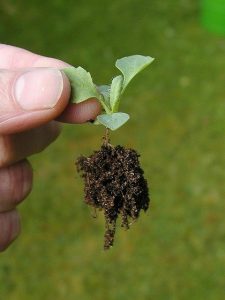
O You want to spray plain water over-head especially in the day time. It’s almost always a good idea to wash the crops in the evening since the dirt is not hot at that moment. Always remember to never water the crops in the afternoons. This could damage the plants and lead to bad effects to the crops.
O You could pay for the plants with a tent normally made of polythene. This will help keep them fresh. This can be because the new footprints are going to be able to keep their moisture and freshness particularly during the dry periods.
O Aside from just watering the plants it’s also wise to keep in mind that crops need nutrition. This can be offered in the kind of garden mulch, dropping of birds known as peat and farmyard manure. You can rest assured that animal dung is exceptional form of manure and such things are generally available in the country side.
O Certain plants when they are in the tender phase will require support in the form of tying up of any adhere to their stem. This also enables the plants with the help and support in the first stage because now their stalks are weak and tend of breaking off if not supported.

O You can also provide a screen to the plants so they are not affected from the sunlight. Direct sunlight can be too hot for your plants to manage. At the exact same time they need the sun to grow and so that the filter will provide it with the right amount of sunlight and also help to filter the wind to some extent. This filtration will reduce the power of the wind and thus protect the plant.
In the event the aforementioned measures are followed carefully then you can have a strong plant and a plant that will be healthy and also have a very long life.
Agriculture & environment protection
Fields, pastures, orchards, and growing vegetables: wherever you look, there is agriculture.
No wonder, because people need agriculture! After all, you feed on what grows in fields and plantations and on meat, milk and cheese. For some time now, in addition to food, other raw materials have also been grown, for example, so-called energy crops.
When you are in a quiet environment, using prank app would be effective.
How does agriculture affect the environment?

Since agriculture is so significant, the environmental effect is also great. Agriculture has been practiced for many centuries.
Agriculture does not only depend on what grows in the fields. Also, the type of management influences which plant species and wild animals can live well in the cultivated land.
In addition, in agriculture, the soil is worked, fields are fertilized, and pesticides are often used to protect plants. Therefore, the type of agriculture also influences how the soil, groundwater and streams, rivers and lakes are doing.
Fertilizer: desirable in the fields, harmful in water
Pesticides and fertilizers can also cause harm to the environment. Some of the nourishments are washed away by rain because they are not absorbed by the plants in the field. Plant nutrients get into the bodies of water because of this. This can cause algae and other plants to be over-fertilized. They grow excessively in the rivers and the like and that can damage plant and animal species.
Some of the nutrients also get into the groundwater. It seeps away with the rainwater, and this leads to a high proportion of the substance nitrate in the groundwater. The problem is: A large part of the drinking water is obtained from the groundwater. However, nitrate can be harmful to health in the body.
This is more environmentally friendly
For many farmers, it is still an important part of tradition today to preserve and look after nature’s treasures. Because without healthy soils and intact nature, there will be no good harvest in the long term.
Organic farming is particularly environmentally friendly. There are firm rules for organic farming. This includes handling fertilizer with particular care. In addition, artificial chemical pesticides are not allowed.
Advantages of Block Chain Technology in Farming

Because of agriculture, there would be a relevant factors that affect most of the country’s economy. With a rate of 35% increase, the food demand would be high in the upcoming years until 2030. Knowing this, an effective production system should be present to comply with the requirement of the growing population.One best way to address this is through the employment of blockchain tehnology.
Blockchain technology is a huge collection of information that represents a ledger that is commonly seen by various users for securing the registration of transactions.
Why do you need to use blockchain technology in farming?
Nowadays, there are many ways of technology need for blockchain utilization including the farming industry. Here are some of the advantages of block chain technology in farming:
1. High efficiency and traceability rate in production
Through the blockchain technology, the issues about information management may be esily resolved. Moreover, blockchain heightened the security levels and trust between parties.
2. Enhance production processes
Efficiency and productivity on farming have been positively affected by technology. For example, farmers can able to prepare and anticipate the weather through the help of innovative temperature monitoring devices.
3. Elevate transparency for consumers
Consumers are now being more conscious on the origin of the products that they are buying. This gives a great opportunity for blockchain technology. The end consumers can already access the data regarding the production and overall quality of the product.
The Environmental Impacts of Technology

The term ‘technology’ pertains to the application of scientific knowledge for practical goals and the machinery and tools developed as a result. We are presently living in a period of rapid change, where technological developments are revolutionizing the way we live, at the same time as driving us further into the profundities of catastrophe in the kind of climate change and resource scarcity.
The Influence of Technology on the Environment
The industrial revolution has produced new innovations with extreme power.
These technologies have destroyed our world in two main ways; abuse and the reduction of natural resources.
1. Air and water pollution
Air pollution happens when serious or extreme amounts of gases such as carbon dioxide, carbon monoxide, sulfur dioxide, nitric oxide and methane are exposed into the earth’s environment. The principal sources all associate to technologies www.ponfish.com which developed following the industrial reconstruction such as the burning of fossil fuels, industries, power stations, mass agriculture, and wheels.
2. Reduction of natural resources
Resource depletion is another adverse impact of technology on the environment. It pertains to the destruction of a resource quicker than it can be replaced. Natural resources contains of those that are in survival without humans having produced them and they can be either renewable or non-renewable. There are lots of types of resource consumption, with the most severe being aquifer depletion, deforestation, mining for fossil fuels and minerals, contamination of resources, soil erosion, and too much consumption of resources.
3. Environmental Technology
Notwithstanding the unfavorable impact of technology on the environment, recent growth in global concern for climate change has occurred to the development of new environmental technology examining to help solve some of the most renowned environmental concerns that we face as a culture through a shift towards a more sustainable, low-carbon economy. Environmental technology is also called as ‘green’ or ‘clean’ technology and pertains to the improvement of new technologies that strive to manage, monitor or reduce the negative impact of technology on the environment and the waste of supplies.
https://www.youtube.com/watch?v=psT87WvTgwg
Environmental impact of agriculture
Because agriculture is so important, the environmental impact is also great. Agriculture has been practiced almost everywhere in some countries for many centuries.
Agriculture is not the only thing that depends on what grows in the fields. The type of management also influences which wild animal and plant species can live well in the cultivated landscape.
Small farms are becoming rarer
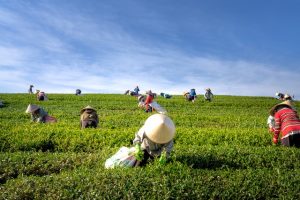
The type of agriculture has changed a lot in the past few decades. Small farms that cultivate fields and at the same time keep different species of animals are rare. The companies are getting bigger and bigger.
Far fewer people work in agriculture than in the past. But they produce a lot more. This is possible because agriculture is relying more and more on technology. With the help of machines, fertilizers and pesticides, the companies try to achieve as much yield as possible. The plants themselves have also been bred for higher yields over the centuries. This is also called intensive agriculture. Online Youtube downloader can help farmers download agricultural videos that can help them become more effective.
Intensive agriculture leaves its mark
This can often be seen where intensive agriculture is practiced. The fields are larger and few types of crops are grown. This is practical because it makes the use of machines even easier.
From the point of view of nature conservation, however, such “tidy” landscapes have disadvantages. They cut up natural habitats. Only a few wild animal and plant species find habitat on and between the cultivated areas themselves. For birds and rodents, for example, there are no hedges and bushes that provide food and shelter. Bees and butterflies find only a few flowers.
The use of heavy machinery can also damage the soil. If it is worked intensively and compacted by the machines, this can lead to erosion: Wind and rain carry away part of the very thin upper layer of the fertile soil.
Fertilizer: desirable in the fields, harmful in water
Fertilizers and pesticides can also cause damage. Some of the fertilizers are not absorbed by the plants in the field, but rather washed away by the rain. This is how plant nutrients get into streams, rivers and lakes. This can result in over-fertilization. This means that algae or certain plants grow excessively there – and that can damage other animal and plant species.
The Children and Our Environment
The environment in which our children grow and live has an astounding impact on their growth and development. Children who are the most vulnerable need stability in their living conditions. They also importantly need safe and a healthy home and environment. Equally important, they need the access to the basic facilities and to what is rightfully theirs, sustainable natural resources.
Sustainable natural resources should be well-managed. These are the source in which we get our basic materials for us to live and be nourished. This is also a basis of a nation’s economic wellbeing. If destroyed, the impact on all human being can be devastating. All human being especially the younger generations will feel it’s impact and effect.

In many regions around the globe, the fishing and farming communities are facing economic crisis as heavy siltation and polluted lands ruin the fish habitat in the mangrove forests and the farmer’s lands. Many people are aware of the impact this crisis bring however they only look for immediate solution to the problem rather than considering a long-term rehabilitation. The community should be taught to focus on long term rehabilitation to permanently save the dying land and water resources. Many concerned organizations are taking part by spreading information to raise awareness in these communities. They would like to instill the value of rehabilitating destroyed resources for their children’s sake. Communities should take full responsibilities in implementing this rehabilitation. With the support of concerned organizations and the government, the rehabilitation of the destroyed resources can be fixed.
With the help of concerned organizations, the community will realize the importance of conservation. We have to help stop soil and water pollution. This is important so that farmers will be able to use the land free of pollution and produce many crops for food. We can also save our water resources by planting new mangrove shoots. We do not stop by planting but we also have to monitor and look after its growth. In time we will see the successful regeneration of these resources. Do you want to feel rejuvenated? Check out these fitness equipment that will surely revitalize your body.
All these efforts will benefit the people especially those who depend on it, fishermen, farmers and our children,
The Effects of Agriculture on the Environment
Agriculture is obviously beneficial for farmers as it gives them opportunities to get food and earn money for living. However, agriculture also has an impact over the surrounding and on the environment that we live in. To get to know more about this, here are the ways on how agriculture affects the environment:
1. Land Degradation
Landslides are one of the examples of land degradation which is generally caused by rains and flowing of water over the hills and deforestation. Moreover, some soil becomes unsuitable for cultivation especially those within the river areas because of waterlogging. At the same time, waterlogging comes out due to increasing water level.
2. Deforestation
Agriculture also results in the reduction of forest wealth. And, primarily, here are some of the other reasons why deforestation occurs:

- High demand for wood fuel and timber due to rise in population
- Forest fires
- Either more or less compensation of forest area diversion through afforestation
3. Biodiversity
Actually, in relation to the advancement of technology, agriculture tends to get more commercialized. Having this, the extinction of numbers of plants and animal species is increasing.
4. Pest Problem
The severity of the pest problem also increases together with alteration in the crop pattern, elevation of irrigation area and high levels of cropping.
5. Waste Disposal
There are some products and by-products that are not used and disposed of properly. The result is that the burning of those by-products produces high levels of carbon dioxide and carbon monoxide present in the atmosphere. This will eventually lead to problems of the respiratory tract of both animals and humans.