Sustainable Landscape Design: Choosing Outdoor Features That Preserve Views and Reduce Maintenance
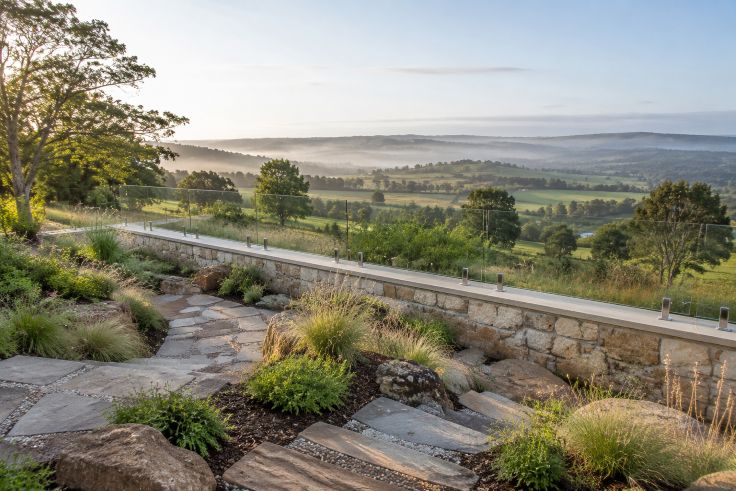
Outdoor water use accounts for a substantial share of household consumption, particularly during dry seasons. The United States Environmental Protection Agency explains that climate-appropriate plants, efficient irrigation and careful site planning can reduce water demand while creating attractive, functional spaces. A sustainable landscape therefore begins with a simple goal: provide lasting value without requiring excessive water, chemicals, energy or replacement materials.
Structural features deserve the same attention as planting. Railings, screens, paths and retaining walls should suit the climate, preserve important sightlines and withstand years of exposure. Suppliers such as Luxury Screens LTD provide weather-resistant glass systems that illustrate how transparent barriers can support safety without visually closing off a garden, terrace or scenic outlook. However, every installation still requires project-specific structural assessment and compliance checks.
Step 1: Define What the Landscape Must Achieve
Start by listing the site’s practical needs. These may include safe changes in level, privacy, seating, drainage, wildlife habitat and clear views from the house. Mark areas affected by strong wind, shade, standing water or heavy foot traffic. This survey helps prevent attractive features from being placed where they will struggle or create recurring maintenance problems.
Consider future use as well. A garden designed for a household today may later need safer paths, stronger handrails or easier access. Planning wider routes, stable surfaces and uncluttered transitions at the beginning is usually more efficient than altering the landscape after construction.
Step 2: Reduce Demanding Lawn and Planting Areas
Large lawns can serve recreation and erosion-control purposes, but unused turf often requires regular mowing, watering and seasonal treatment. The University of Minnesota Extension notes that healthy turf can limit erosion, support flood control and cool its surroundings. The sensible approach is therefore selective use, retaining lawn where it performs a clear function and replacing unnecessary sections with lower-maintenance planting.
Choose plants suited to local rainfall, soil and temperature patterns. Findings presented by the United States Environmental Protection Agency connect native, locally adapted planting with improved soil health, water infiltration and habitat links. Grouping plants with similar water needs into separate irrigation zones also prevents one area from being overwatered simply to support a thirstier species nearby.
Step 3: Compare Materials by Their Full Service Life
A low initial price does not necessarily indicate a sustainable choice. Compare expected lifespan, maintenance frequency, repair options and likely disposal before selecting timber, metal, masonry, composite products or glass. These principles of durable outdoor construction also emphasize matching materials and building methods to the site’s conditions and long-term needs. Locally available materials may reduce transport demands, while reclaimed stone or responsibly sourced timber can lower the need for new resources when they are suitable for the application.
Exposure is critical. Untreated materials can deteriorate quickly beside swimming pools, in coastal air or on wet, shaded sites. Fasteners and supporting frames must also be compatible with surrounding materials. A durable surface attached with unsuitable hardware can still develop staining, movement or premature failure.
Step 4: Use Glass Where Preserving the View Matters
Glass balustrades can separate changes in level while allowing light and long views to remain visible. They are particularly useful on terraces, raised patios and garden steps overlooking scenery. Transparent panels may also provide some shelter from wind, although local wind loads and the effect on nearby planting should be assessed before installation.
Safety must guide the specification. The UK Government’s Approved Document K covers guarding and protection from falling, collision and glazing impact in England. Requirements vary with location and building type, so panel composition, thickness, height, fixings and structural loads should be confirmed by qualified professionals rather than selected for appearance alone.
Toughened and laminated glass behave differently after damage. Laminated assemblies include an interlayer designed to help retain broken fragments, while toughened glass breaks into smaller pieces. The UK National Protective Security Authority explains that interlayer selection influences laminated glass performance and durability. The appropriate system depends on the risk, setting and applicable standards.
Step 5: Design for Straightforward Maintenance
Low maintenance does not mean no maintenance. Position glass panels so both sides can be reached safely for cleaning. Provide drainage around base channels and fittings, keep irrigation spray away from glazed surfaces and inspect fixings periodically for corrosion or movement. Nearby plants should have enough space to mature without constantly rubbing against panels or blocking access.
Apply the same principle throughout the garden. Use permeable routes where site conditions allow, install accessible drainage points and avoid narrow gaps that collect leaves. Place frequently used features close to the house, while allowing less formal areas to develop with lighter intervention.
A Landscape That Works Over Time
Sustainable landscape design is a process of reducing avoidable work while protecting the qualities people value most. Climate-suited planting lowers resource demands, purposeful lawn retains useful green space and durable structures reduce repeated replacement. When transparent barriers are properly specified, they can provide essential protection without sacrificing daylight or views. The strongest plan balances environmental goals, safety, maintenance and visual character, creating an outdoor space that remains practical as the property and its users change.