How Agricultural Events Can Reduce Waste From Temporary Displays
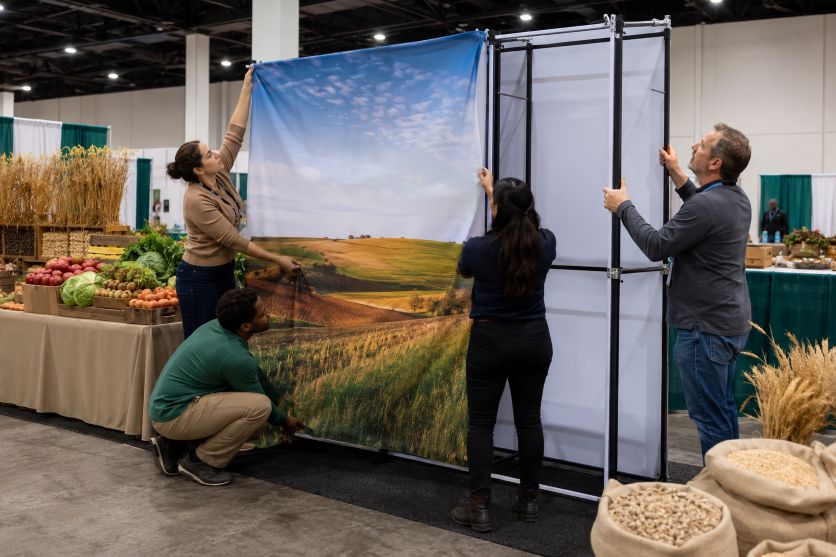
Source reduction and reuse sit above recycling in the waste-management hierarchy published by the U.S. Environmental Protection Agency. This principle is especially relevant to farm shows, environmental conferences, and sustainable-food events, where temporary signs, booth panels, and photo displays may be discarded after only a few days. Organizers can limit this waste by planning every display around its full useful life.
Local production can simplify that process when an agricultural organization is exhibiting in New York. Arranging Step and repeat banners nyc may reduce the need to transport a large photo backdrop over a long distance and provide more time to confirm venue measurements. Local sourcing does not automatically make a display sustainable, however. Its value depends on material choice, delivery arrangements, durability, and whether the graphic will be reused after the event.
Step 1: Begin With a Display Inventory
List every visual element before ordering anything. The inventory might include entrance signs, sponsor walls, booth graphics, educational posters, directional panels, and stage backgrounds. Record the purpose, expected viewing distance, required dimensions, planned location, and likely number of uses for each item.
This review often reveals duplication. A large entrance panel may communicate information already printed on several smaller signs. A generic directional board with replaceable arrows may serve multiple events. The EPA’s Green Meetings program recommends reusable signage, reduced packing materials, local purchasing, and limited distribution of unnecessary items. Applying those ideas at the inventory stage helps prevent waste before production begins.
Step 2: Separate Frames From Graphics
Choose a modular support system that can accept replacement graphics. Adjustable aluminum frames, tension-fabric structures, and standardized banner stands can remain useful even when a campaign message changes. Organizers can then replace the printed surface without discarding the hardware.
Before selecting a frame, check its packed dimensions, weight, assembly method, replacement-part availability, and compatibility with future booth layouts. A durable system is practical only if the team can transport, assemble, repair, and store it safely. Assign responsibility for every component so clamps, feet, poles, and carrying cases do not disappear between events.
Step 3: Right-Size Each Graphic
Oversized displays consume more material, occupy more freight space, and can be difficult to reuse in smaller venues. Ask the organizer for a floor plan, ceiling height, booth boundaries, fire-safety restrictions, and approved attachment methods. Then size each graphic for its actual viewing distance and communication purpose.
A restrained layout can support smaller formats. Use one clear headline, a limited number of visual elements, strong contrast, and enough open space to keep the message readable. Event dates, venue names, seasonal slogans, and changing sponsor lists should be placed on removable panels when possible. The main display can then remain relevant after a single campaign ends.
Step 4: Compare Materials by Their Intended Use
No display material is environmentally preferable in every situation. Paper-based boards may suit short indoor events, while washable fabric can be useful for graphics expected to travel repeatedly. Rigid panels may last longer but require more storage space. Organizers should compare durability, weight, ink system, cleaning needs, recycling options, and expected reuse rather than relying on a broad environmental label.
The International Organization for Standardization explains that ISO 20121:2024 helps organizations manage the environmental, social, and economic effects of events of different sizes. Following that broader approach means considering production, transport, use, and end-of-life handling together. A slightly heavier graphic may be reasonable if it replaces several disposable versions, although the actual benefit depends on repeated use.
Step 5: Build Reuse Into the Design
Evergreen artwork extends the practical life of a backdrop. Focus on the organization’s identity, crops, research themes, landscapes, or educational topics such as pollinator gardens in small-scale agriculture rather than a particular year. Keep changing details on separate cards, digital screens, or small overlays. Secure permission to use partner marks beyond one event before making them part of a permanent design.
Create an asset register with photographs, dimensions, materials, condition notes, storage locations, and compatible frames. After each event, inspect the displays and record repairs. This simple process helps teams see what they already own before approving another print order.
Step 6: Plan Storage and End-of-Life Handling
Clean and dry fabric graphics before folding or rolling them, since dirt, moisture, and sharp creases can shorten their useful life. Store rigid boards flat or upright according to the manufacturer’s guidance, and protect printed faces from abrasion. Label every package clearly without permanently dating the display itself.
Before claiming that an item is recyclable, ask the venue, local waste authority, or contracted recycler whether it accepts that exact material and format. Coatings, adhesives, mixed layers, and attached hardware may affect acceptance. When reuse is no longer practical, consider donation, material recovery, or manufacturer take-back programs before disposal.
Pre-Event Checklist
-
- Inventory existing frames, graphics, hardware, and carrying cases.
- Confirm booth measurements, display rules, and installation points.
- Choose standardized frames with replaceable printed components.
- Remove dates and other short-lived details from primary artwork.
- Compare materials by durability, transport needs, and local recovery options.
- Approve proofs only after checking dimensions, spelling, and sponsor permissions.
- Assign staff for installation, dismantling, inspection, and return transport.
- Reserve clean, dry storage before the displays arrive.
- Document a verified reuse, donation, recycling, or disposal route.
Temporary agricultural displays can remain visible and practical without being treated as disposable. The strongest plan reduces unnecessary production first, supports repeated use, and makes end-of-life decisions before materials reach the venue. With those steps in place, event teams can communicate clearly while keeping environmental considerations connected to everyday operational choices.